
When you need electrical work done in your Kapiti Coast home, understanding who to call can save you time, money, and potential headaches. Many homeowners across Paraparaumu, Waikanae, and Raumati often wonder about the difference between an electrical contractor and an electrician. While both professionals work with electrical systems, their roles, responsibilities, and capabilities differ significantly.
At Whittaker Electrical, we’ve helped hundreds of homeowners and businesses throughout the Kapiti Coast navigate these distinctions to ensure they get the right professional for their specific needs. As a locally based electrical contractor in Paraparaumu, we understand the unique requirements of properties across our coastal region. This guide will clarify these differences and help you make informed decisions about your electrical projects.
Key Takeaways
Electrical contractors manage large-scale projects and business operations, whilst electricians focus on hands-on electrical work
In Wellington and the Kapiti Coast, electrical contractors must hold specific licences and insurance to operate legally
Electricians work under electrical contractors or independently on smaller residential jobs
For major renovations or commercial projects in Paraparaumu, Waikanae, or Raumati, you’ll typically need an electrical contractor
Electrical contractors handle project management, compliance, and coordinate multiple tradespeople
Understanding the distinction helps you choose the right professional for your specific electrical needs
Understanding the Basic Definitions
Before diving into the differences, it’s essential to understand what each role entails in the New Zealand electrical industry.
What is an Electrician?
An electrician is a skilled tradesperson who installs, maintains, and repairs electrical systems in homes and businesses. They complete a four-year apprenticeship and must be registered with the Electrical Workers Registration Board (EWRB) to work legally in New Zealand. Electricians are the hands-on professionals you’ll see installing power points, running cables, and troubleshooting electrical faults in your Kapiti Coast property.
What is an Electrical Contractor?
An electrical contractor is a business entity or individual who employs electricians and manages electrical projects. They hold additional licences, insurances, and qualifications beyond those of a standard electrician. Electrical contractors oversee entire projects, from initial planning through to completion, ensuring all work meets New Zealand electrical standards and building codes.
The Key Differences Explained
Understanding these distinctions is crucial when planning electrical work for your Wellington or Kapiti Coast property.
Scope of Work
Electricians typically handle:
Installing and replacing power points and switches
Running new circuits for appliances
Fault-finding and repairs
Installing light fixtures
Basic electrical maintenance
Electrical Contractors manage:
Complete electrical installations for new builds
Major renovations and rewiring projects
Commercial and industrial electrical systems
Project planning and electrical design
Coordinating multiple electricians and subcontractors
Business Operations and Licensing
In New Zealand, electrical contractors must maintain:
Electrical contractor licence from the EWRB
Public liability insurance
Professional indemnity insurance
Health and safety compliance systems
Business registration and GST requirements
Electricians working independently may not have all these business requirements, particularly if they’re employed by a contractor rather than running their own business.
Project Management Capabilities
One of the most significant differences lies in project management. Electrical contractors bring expertise in:
Creating detailed project timelines
Coordinating with builders, plumbers, and other trades
Managing compliance documentation
Handling council inspections and certificates
Overseeing quality control across multiple job sites
This comprehensive approach is particularly valuable for larger projects across the Kapiti Coast region, from Paraparaumu’s new residential developments to commercial upgrades in Waikanae’s business district.
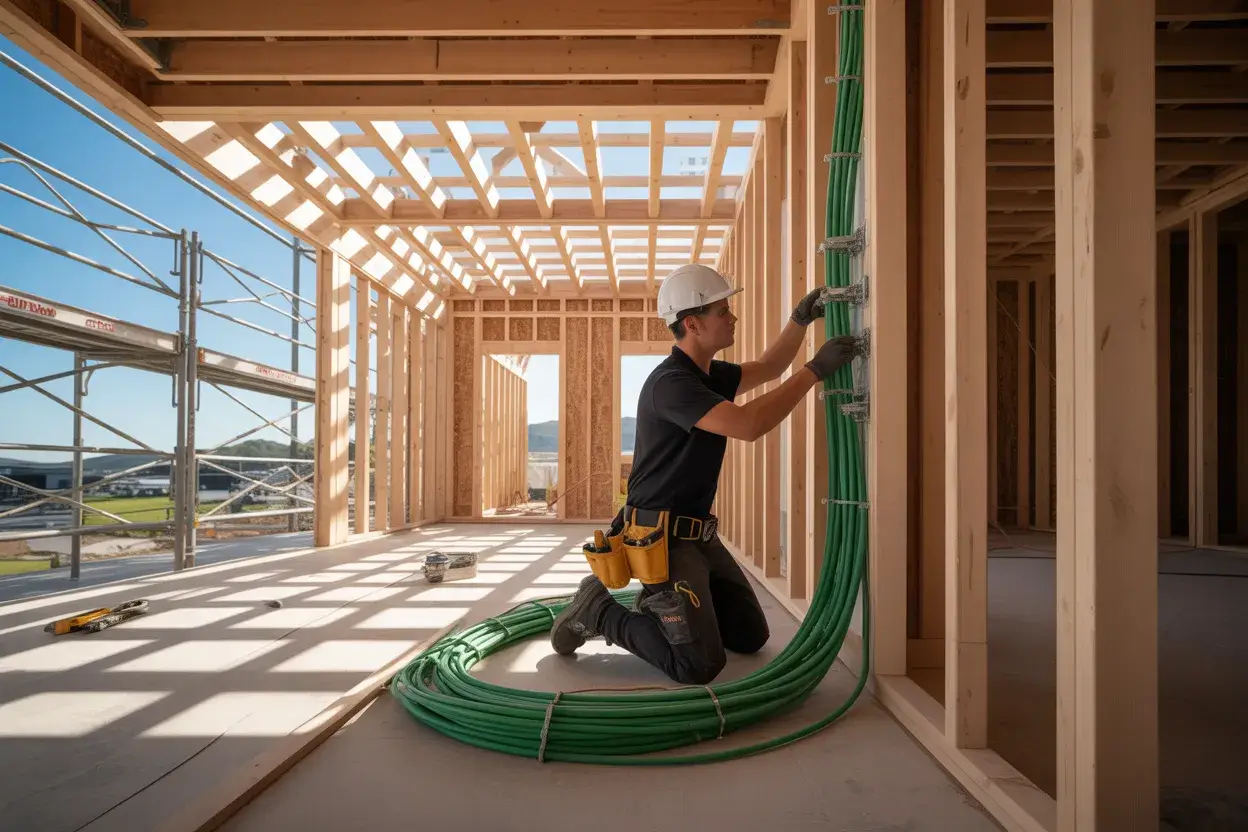
When to Hire an Electrical Contractor vs an Electrician in Wellington
Making the right choice depends on your project’s scope and complexity.
Choose an Electrician for:
Minor repairs and maintenance
Installing individual appliances
Replacing faulty switches or outlets
Simple lighting upgrades
Emergency callouts for power failures
Choose an Electrical Contractor for:
New home construction in Paraparaumu or Raumati
Major renovations requiring rewiring
Commercial fit-outs in Waikanae
Solar panel installations
Projects requiring council consent
Multiple electrical installations across your property
Why Location Matters: Electrical Services on the Kapiti Coast
The Kapiti Coast’s coastal environment creates unique challenges for electrical installations. Salt air accelerates corrosion on outdoor electrical components, whilst our region’s weather patterns can impact power reliability. Local electrical contractors understand these challenges and specify appropriate materials and methods for lasting installations.
Whether you’re in Paraparaumu’s beachfront properties, Waikanae’s established neighbourhoods, or Raumati’s growing residential areas, working with a local electrical contractor ensures:
Quick response times for urgent issues
Understanding of local council requirements
Knowledge of common electrical problems in coastal homes
Established relationships with local suppliers and trades

The Whittaker Electrical Advantage
As a Master Electrician and registered electrical contractor based in Paraparaumu, Whittaker Electrical combines the hands-on expertise of skilled electricians with the project management capabilities of a professional contracting business. Our team understands the unique needs of Kapiti Coast properties and delivers solutions that stand the test of time in our coastal environment.
We handle everything from simple repairs to complete commercial installations, always maintaining the highest standards of safety and compliance. Our local presence means we’re just minutes away when you need us, whether you’re in Paraparaumu, Waikanae, Raumati, or anywhere across the wider Kapiti Coast region.
Making the Right Choice for Your Electrical Needs
Understanding the difference between an electrical contractor and an electrician helps ensure you engage the right professional for your project. For most significant electrical work in Wellington and the Kapiti Coast, particularly projects requiring planning, compliance, and coordination, an electrical contractor provides the comprehensive service you need.
For smaller jobs and routine maintenance, a qualified electrician may be sufficient. However, always ensure any electrical professional you hire is properly registered and insured, regardless of the project size.
Conclusion
The distinction between electrical contractors and electricians is more than just terminology – it’s about ensuring your electrical project is completed safely, efficiently, and to the highest standards. Electrical contractors bring business acumen, project management skills, and regulatory compliance expertise that goes beyond the technical skills of individual electricians.
For Kapiti Coast residents and businesses, choosing a local electrical contractor like Whittaker Electrical means partnering with professionals who understand our unique coastal environment and local requirements. From new builds in Paraparaumu to renovations in Waikanae and emergency repairs in Raumati, we’re here to deliver exceptional electrical solutions.
Ready to discuss your electrical project? Contact Whittaker Electrical today at 0800 DNT DIE for expert advice and professional service throughout the Kapiti Coast region.